top of page

Crafting Your Ideal Remote Home Floor Plan with Remote Home Design Solutions

  • Apr 15
  • 4 min read

Designing a home in a remote location is a unique adventure. It invites us to blend nature’s tranquility with the comforts of modern living. When we think about crafting our ideal remote home floor plan, we’re not just drawing lines on paper. We’re shaping a sanctuary that reflects our lifestyle, embraces the environment, and offers a peaceful retreat from the world. Let’s explore how thoughtful remote home design solutions can help us create a space that feels both welcoming and timeless.


Embracing the Spirit of Remote Home Design Solutions


When we embark on designing a home far from the bustle of city life, we must consider the environment around us. Remote home design solutions are about more than aesthetics; they’re about harmony. We want our home to sit gently on the land, to breathe with the breeze, and to welcome the sun’s warm embrace.


One of the first steps is to understand the site’s natural features. Is it nestled among tall trees, perched on a hillside, or near a sparkling stream? These elements guide how we position rooms, windows, and outdoor spaces. For example, placing living areas where they can capture morning light can fill the home with a soft, golden glow. Meanwhile, bedrooms might face quieter, shaded areas to invite restful sleep.


We also think about sustainability. Remote homes often rely on alternative energy sources like solar panels or rainwater collection. Designing with these systems in mind ensures our home is not only beautiful but also self-sufficient and kind to the environment.


Eye-level view of a remote home nestled among tall trees

Designing for Comfort and Functionality in Remote Settings


Comfort is the heart of any home, especially when it’s remote. We want spaces that feel cozy and practical, where every corner serves a purpose. When planning our floor plan, we consider how we live daily and what makes us feel most at ease.


Open-plan living areas are popular in remote homes because they foster connection and flexibility. Imagine a spacious kitchen flowing into a dining area and then a lounge, all bathed in natural light. This layout encourages family gatherings and easy entertaining, while also making the most of limited space.


Storage is another key factor. Remote living often means fewer nearby stores, so having ample, well-organized storage for food, tools, and outdoor gear is essential. Built-in shelves, under-stair cupboards, and multi-functional furniture can help keep clutter at bay.


We also think about climate control. In tropical or variable climates, cross-ventilation is crucial. Designing windows and doors to catch prevailing breezes can cool the home naturally. Adding shaded verandas or overhangs protects interiors from harsh sun while extending living spaces outdoors.


High angle view of an open-plan living area with large windows

Crafting Spaces That Connect Us to Nature


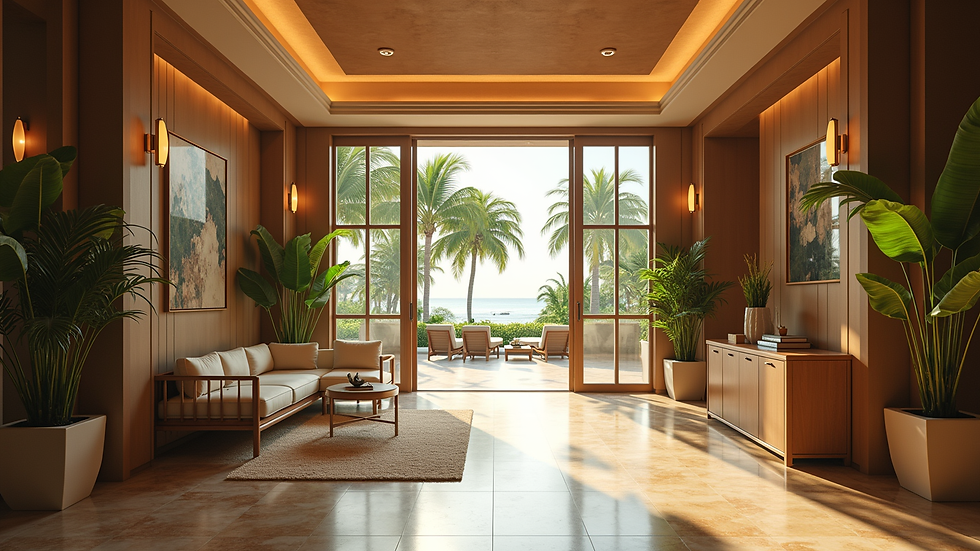
One of the greatest joys of a remote home is its closeness to nature. Our floor plan should invite the outdoors in, creating seamless transitions between inside and outside. Large sliding doors, wraparound decks, and strategically placed windows can frame views and bring fresh air into every room.


We might design a cozy nook by a window where morning coffee is savored while watching birds flit through the trees. Or a covered porch where evenings are spent listening to the gentle rustle of leaves. These moments of connection enrich our daily lives and deepen our appreciation for the setting.


Landscaping also plays a role. Native plants, natural stone paths, and water features can complement the architecture and create a peaceful garden retreat. Thoughtful lighting along walkways and patios adds warmth and safety after sunset.


Practical Tips for Creating Your Remote Home Floor Plan


When we start sketching our dream home, it helps to keep a few practical tips in mind:


  1. Prioritize essential spaces - Focus on rooms you’ll use most, like the kitchen, living room, and bedrooms. Avoid overcomplicating the layout with unnecessary rooms.

  2. Plan for future needs - Think about how your lifestyle might change. Could a guest room double as a workspace? Is there room to expand later?

  3. Maximize natural light - Position windows to capture sunlight throughout the day, reducing the need for artificial lighting.

  4. Consider privacy - Arrange bedrooms and bathrooms away from public areas and neighbors.

  5. Incorporate outdoor living - Decks, patios, and verandas extend your living space and connect you with nature.

  6. Use durable materials - Remote locations can be tough on buildings. Choose materials that withstand weather and require minimal maintenance.


For those seeking tailored solutions, exploring custom remote home floor plans can be a wonderful way to ensure every detail fits your vision and site perfectly.


Bringing Your Vision to Life with Thoughtful Design


As we bring our remote home floor plan to life, it’s important to remember that this is a deeply personal journey. The best designs reflect who we are and how we want to live. They balance beauty with function, comfort with sustainability, and solitude with connection.


Working with architects who specialize in remote home design solutions can help us navigate challenges and unlock creative possibilities. They understand the nuances of building in remote areas and can guide us through zoning, materials, and energy efficiency.


Ultimately, our ideal remote home is a place where memories are made, where we find peace, and where the rhythm of nature becomes part of our daily story. It’s a space that welcomes us home, time and again.


Crafting a remote home floor plan is more than a project - it’s an invitation to dream, design, and dwell in harmony with the world around us. Let’s embrace this journey with open hearts and thoughtful hands, creating homes that are as unique and beautiful as the landscapes they inhabit.


Comments


bottom of page