


Designing Boutique Hotels with Remote Architects: Embracing Remote Boutique Hotel Designs
When we imagine a boutique hotel, we picture a space that feels intimate, unique, and thoughtfully crafted. It’s a place where every corner tells a story, where design meets comfort in a delicate dance. But how do we bring such a vision to life when the architect is miles away, working remotely? The answer lies in embracing remote boutique hotel designs, a practice that blends technology, creativity, and collaboration to create stunning hospitality spaces from afar.
The Art of Remote Boutique Hotel Designs
Designing a boutique hotel remotely might sound challenging at first. How can an architect capture the essence of a place without being physically present? Yet, this very challenge opens doors to new possibilities. Remote boutique hotel designs allow us to work with talented architects worldwide, tapping into diverse perspectives and expertise.
The process begins with clear communication. We share our vision, inspirations, and practical needs through detailed briefs, mood boards, and video calls. Architects respond with sketches, 3D models, and virtual walkthroughs, inviting us into the design journey despite the distance. This back-and-forth nurtures a warm, collaborative relationship, where ideas flow freely and evolve naturally.
Technology plays a vital role here. Tools like BIM (Building Information Modeling), cloud-based project management platforms, and VR (Virtual Reality) tours help bridge the gap. They allow us to see every detail, from the texture of fabrics to the play of natural light, ensuring the design feels tangible and real.

Crafting Unique Experiences Through Thoughtful Design
Boutique hotels thrive on their distinctiveness. Each design element should reflect the local culture, environment, and the story we want to tell. Remote architects bring fresh eyes to these elements, often uncovering subtle inspirations that might be overlooked locally.
For example, a remote architect might suggest incorporating traditional craftsmanship techniques from the region or using sustainable materials that resonate with the hotel's surroundings. These thoughtful touches create a sense of place that guests can feel deeply.
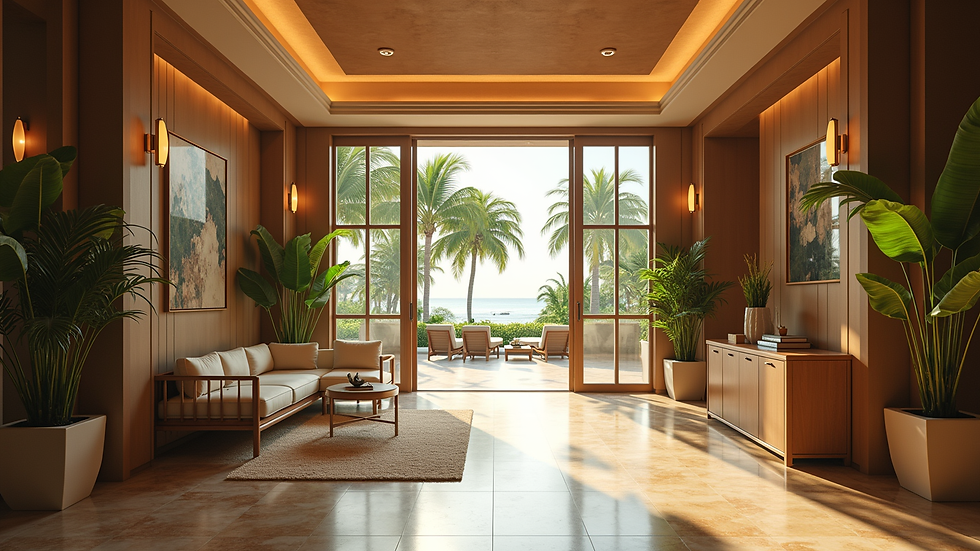
We also focus on the guest experience. How do guests move through the space? Where do they pause to relax or connect? Remote boutique hotel designs emphasize flow and comfort, balancing aesthetics with functionality. From cozy reading nooks to open-air terraces, every space invites guests to linger and savor the moment.
Collaborating with a boutique hotel architect remote to Bring Visions to Life
Working with a boutique hotel architect remote requires trust and openness. We learn to embrace flexibility, knowing that time zones and digital communication can sometimes slow the process. Yet, this patience is rewarded with designs that are carefully considered and beautifully executed.
One practical tip is to establish regular check-ins and milestones. These moments keep the project on track and allow us to address any concerns early. Sharing progress through high-quality renderings and virtual reality sessions helps us feel connected to the space as it takes shape.
Another key is to involve local experts on the ground. They can provide insights into regulations, materials availability, and construction nuances. This collaboration between remote architects and local teams ensures the design is not only inspiring but also feasible.

Practical Steps to Successfully Design Boutique Hotels Remotely
To make the most of remote boutique hotel designs, we follow a few essential steps:
Define the Vision Clearly
Start with a detailed brief that outlines the hotel's concept, target guests, and desired atmosphere. Include images, color palettes, and examples of styles you admire.
Choose the Right Architect
Look for architects experienced in remote collaboration and boutique hotel projects. Their portfolio should reflect creativity and adaptability.
Leverage Technology
Use cloud platforms for document sharing, video conferencing for discussions, and 3D modeling software for visualizations.
Set Milestones and Deadlines
Break the project into phases with clear goals. Regular updates keep everyone aligned and motivated.
Engage Local Partners
Collaborate with local contractors, artisans, and consultants to ensure smooth execution and cultural authenticity.
Be Open to Iteration
Design is an evolving process. Embrace feedback and be willing to refine ideas as the project progresses.
By following these steps, we create a seamless workflow that respects both the creative process and practical realities.
The Future of Boutique Hotel Design is Remote and Connected
As we look ahead, the trend of remote boutique hotel designs is only set to grow. It offers unparalleled access to global talent and fresh ideas, breaking down geographical barriers. More importantly, it fosters a new kind of creative partnership - one built on trust, communication, and shared passion.
We find joy in this journey, watching a hotel transform from a concept on a screen to a vibrant, lived-in space. Each project becomes a story of connection - between people, places, and dreams. And in this story, remote architecture is not a limitation but a beautiful opportunity to reimagine how we design and experience hospitality.
Let us embrace this future together, crafting boutique hotels that feel like home, no matter where we are in the world.


Comments